
If you’ve spent any time browsing workamping listings, you’ve seen Campground Host, Grounds Maintenance, Interpretive Volunteer. This one, Vaults Volunteer, is a title I hadn’t come across before, and it’s worth a quick explanation before we get into the details.
A “vault” in NPS-speak refers to a vault toilet: a sealed, waterless restroom system common in remote parks without municipal water and sewer access. Big Cypress has simply named this maintenance position after its most visible duty. Functionally, it’s closer to what other parks call a Maintenance Volunteer or Comfort Station Host. If you’re searching workamping boards, keep that in mind, the terminology varies by park even when the work is similar.
The Basics
Big Cypress National Preserve sits along the Tamiami Trail in Ochopee, protecting 729,000 acres of cypress domes, prairies, and pinelands that border the Everglades. This opening runs November 2, 2026 through April 2, 2027, which happens to be Florida’s most comfortable stretch of weather, dry season, fewer bugs, and temperatures that make outdoor work genuinely pleasant.
The position calls for 32 hours a week across four 8-hour days, with all seven days of the week listed as potentially required (schedules will vary). In exchange, volunteers receive a concrete or gravel RV pad with full hookups.
What the Work Actually Involves
This is not a front-desk or interpretive role. Duties include:
- Cleaning and maintaining day-use areas and vault restrooms, including pressure washing
- Independently roving the preserve to remove discarded tires, batteries, cans, and other trash
- Providing basic visitor information
- Reporting vandalism, safety hazards, and needed repairs to your volunteer supervisor
- Lifting up to 15 lbs independently
The preserve is upfront that this is one of the less glamorous jobs on-site, but also notes that these volunteers see more of the preserve than almost anyone else. Past hosts have spotted panthers, bobcats, and caracara during their rounds.
What to Bring
Uniform shirts, a jacket, and a hat are provided. You’ll need to supply your own khaki or dark brown pants, closed-toed shoes, and socks. PPE and training are included.
Requirements
- Reference check required
- No background check required
- Training provided
- Volunteers who can commit to the full November–April season get priority
What We Found When We Looked Into Big Cypress
We always encourage you to do your own digging before committing to a season anywhere, so here’s what turned up.
Long-term Big Cypress volunteers have described a genuinely welcoming community. One volunteer couple who lived on preserve land in their fifth wheel for years said the preserve’s roughly 50 volunteers are valued for their flexibility, and that staff appreciate volunteers who are comfortable working both indoors and out while still enjoying visitor contact. Training for on-site roles typically runs two to three weeks under ranger supervision, and volunteers commonly live either on the campgrounds or in NPS-provided housing.
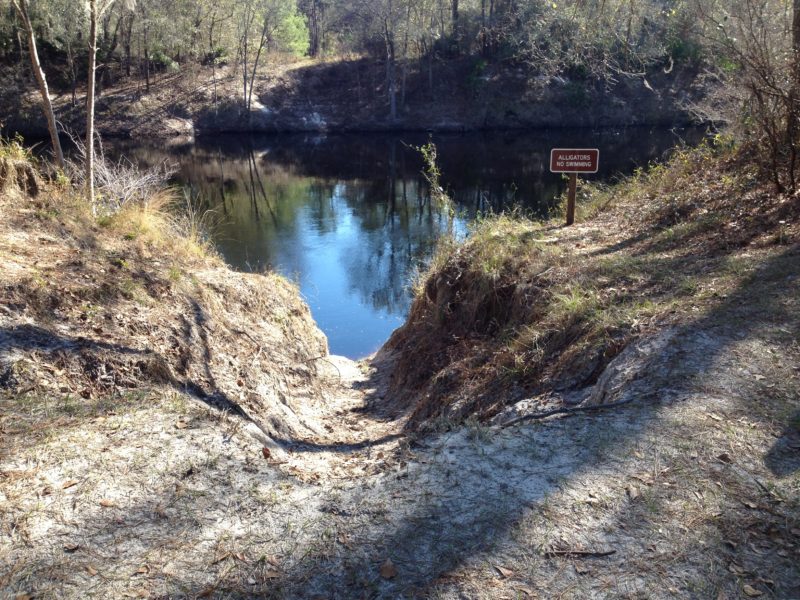
Paid-staff reviews of the preserve (a different pool than volunteers, but useful for a read on the environment) describe it as a good place to work, with the caveat that it’s genuinely a swamp: expect mosquitoes, alligators, and the occasional panther sighting as part of the territory. Reviewers also noted the staff and management were knowledgeable and easy to work with.
Other Big Cypress volunteer postings confirm the accommodation pattern here holds steady across the preserve: motor home volunteer sites come with full hookups, and other listings mention efficiency apartments and trailer pad sites with complete hookups available depending on the role. That matches what’s offered in this listing.
We didn’t find any workamper-specific reviews on the usual RV forums for this particular role, which isn’t unusual for a narrowly-titled position like this one. If you take this assignment, consider documenting your experience, it would genuinely help the next volunteer deciding whether to apply.
What to Clarify Prior to Applying
A few things in this listing are worth nailing down with Kathryn before you commit a full season:
- The actual weekly schedule. The listing lists all seven days as “required days,” which likely means your 4 days could fall anywhere in the week, not that you’re working all seven. Confirm which 4 days, and whether that rotates.
- RV size and pad specs. “Concrete or gravel RV pad with full-hookups” doesn’t specify amperage, water quality, sewer type, or maximum rig length. Ask directly if you have a larger rig.
- Pressure washer provided or personal equipment expected. The listing mentions using one but doesn’t say who supplies it.
- Definition of “independently rove.” Solo patrol in a 729,000-acre preserve with wildlife like panthers and alligators is a different safety conversation than a supervised route. Ask about radio contact, cell coverage, and check-in protocols.
- What “training required” actually covers. Some parks bundle wildlife safety, vehicle use, and equipment certification into this; others mean a half-day orientation. Worth knowing before you show up.
- Whether the RV pad is shared or private, and how far it sits from the areas you’ll be maintaining.
- Off-duty preserve access. Since you’re living on-site for five months, ask what’s open to you personally during non-work hours, trails, waterways, etc.
- How Far Are Supplies? Unless they are going to provide you with propane and have a grocery store on the property it would be nice to know how far gas, food, and restaurants are from your designated living spot.
None of this is a red flag, it’s just the kind of detail that’s easy to assume and awkward to discover on day one.
How to Apply
Contact Kathryn Finnerty at kathryn_finnerty@nps.gov or (239) 695-2000.
This listing and more can be found on the https://volunteer.gov website.
Note from the Author
I have not been to Big Cypress Preserve but it is on my bucket list to visit. If you go we would love to hear from you. Sign up for our newsletter and keep in touch.
You must be logged in to post a comment.